To provide tools and resources for people who deliver land-based programming that will better prepare them to mitigate and respond to mental health challenges on the land.
How We Work
Supporting Wellbeing blends clinically researched practices in mental health group work with Indigenous practices and expertise.
The foundation of Supporting Wellbeing is relational practices with others, the Land, and oneself.
Mission, Vision & Values
Our Mission
Our Vision
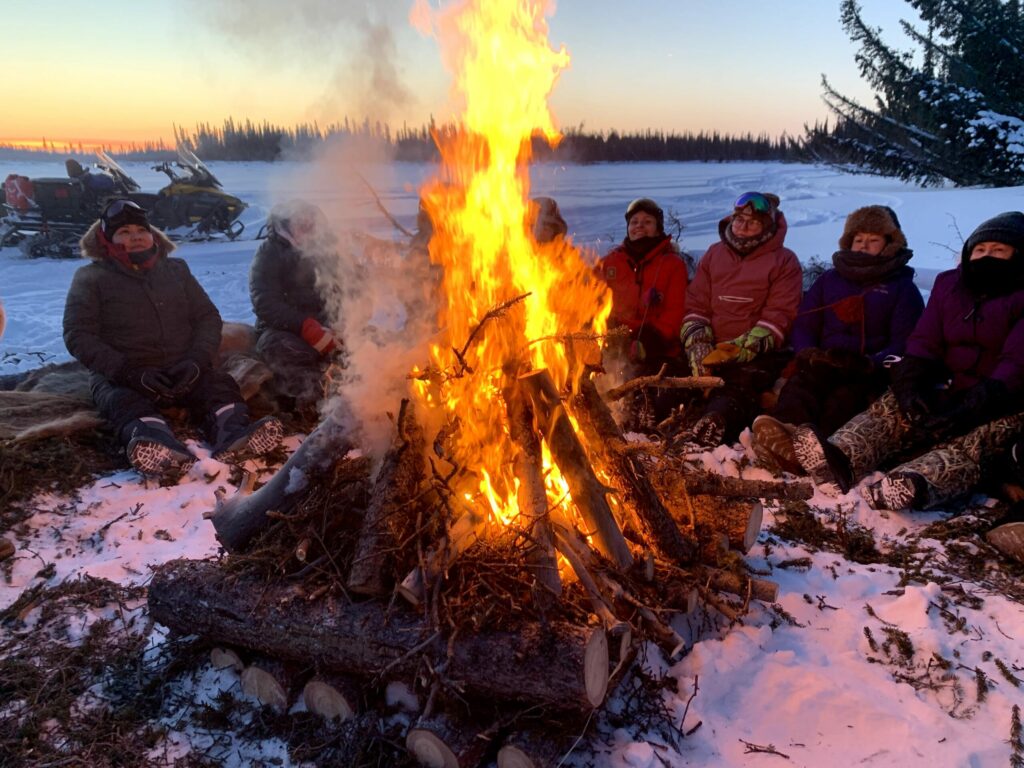
Improving access to culturally appropriate and trauma-informed on the land programs to support and strengthen Indigenous culture, languages, and ways of life throughout the North.
Our Values
- Reciprocity: With oneself, the Land, and each other.
- Inclusiveness: Accepting, welcoming, and being intentional about diversity, and celebrating one’s strengths.
- Accountability: Mutual accountability to each other, the Land, our partners, and ourselves.
- Wellbeing: Mental, physical, emotional, and spiritual facets are balanced and nurtured together to create a holistic level of wellbeing in which all four areas are strong and healthy.
- Anti-colonial: Supporting Indigenous sovereignty, rights and the value of Indigenous knowledge and ways of being.
Relationships with others, the Land, and self
Supporting Wellbeing’s guiding philosophy is centring relationships with others, the Land, and self.
Land-based education is a process that centres respect, reciprocity, reverence, humility and responsibility. These values are connected to the Land through Indigenous knowledge.
SWB understands that:
- Each person has their own role and place in the world.
- Each person has unique gifts, experiences, and perspectives to contribute.
- Each person contributes their roles and strengths in the best way they can.
Establishing and building on the connections that people have with each other will help foster greater wellbeing, which will lead to healthy communities.
Supporting Wellbeing values and supports everyone’s unique gifts through respect and reciprocity.
Relationship with the Land
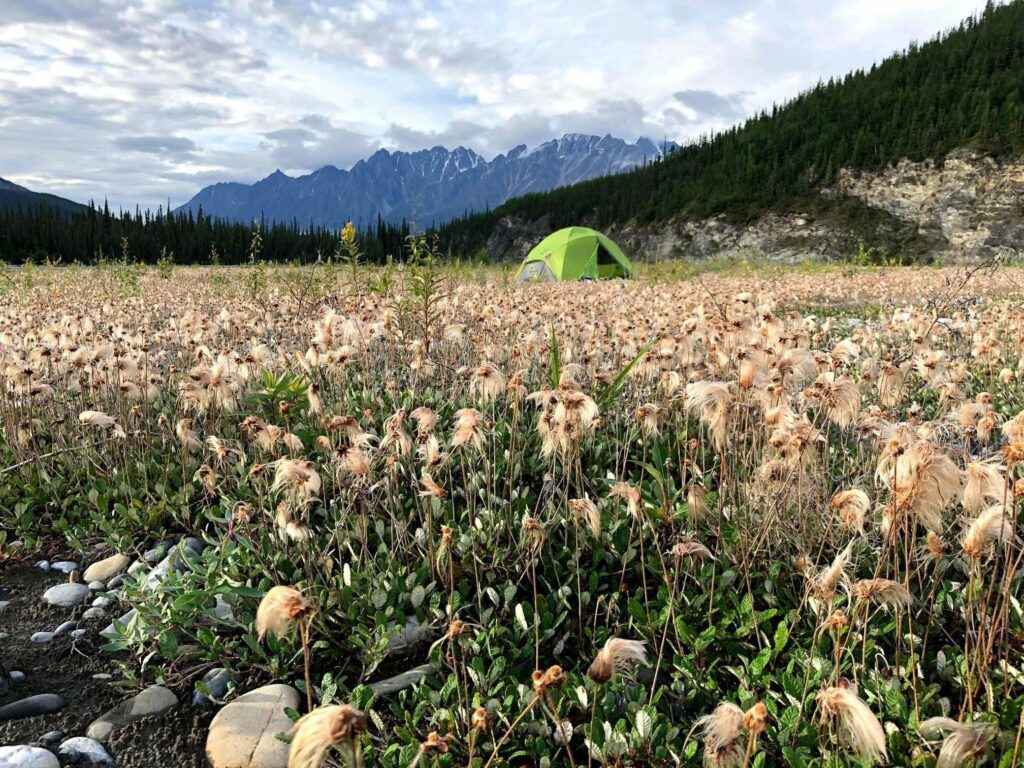
The Land informs Indigenous ways of being and knowing, including our relationships with others and ourselves. All our connections in everything we do is related to the Land. Indigenous knowledge is a valid and essential source of information about the natural environment, and the relationship of people with the Land and each other. Connection to the Land is of great personal, familial and community significance. The Land informs our overall understanding of wellbeing.
Relationship with one’s self
It is important to have healthy, positive relationships with ourselves, so we can be our best selves for our community.
The relationship you have with yourself is crucial to your own wellbeing, and to creating healthy relationships with others. Learning about yourself is one of the best things you can do for yourself and your community. When we are confident in our knowledge and abilities then this shows in how we teach others. The Elders talk of how caregivers need to teach children enough so that when caregivers pass away, children will be capable people.
Goals
- Develop learning materials and resources for on the land programmers in the NWT that build skills in responding to mental distress while on-the-land. The approach and corresponding training will be culturally relevant, trauma-informed, modular, and anti-colonial.
- Increase the ability of land-based programmers to mitigate risks associated with mental health challenged by providing risk management tools.
- Increase the ability of land-based programmers to manage mental health challenges during programs by providing contextual education and meaningful tools.
- Improve emotional literacy, crisis management, self-care, and after-care skills and knowledge of on the land leaders in the NWT.
- Build capacity by developing a network of Supporting Wellbeing trainers who can deliver this suite of modules in their own regions and communities, thus increasing the overall capacity of communities to manage and respond to mental health challenges.
- Collaborate with Knowledge Holders and Elders to create opportunities for land-based leaders and program participants to learn traditional knowledge in regards to wellbeing.